Core Technology

What is GCGPS?

The Global Computer Graphics Production Standard (GCGPS) is an initiative by CGGE to establish a unified, open-source standard for digital content creation. It aims to address the challenges of high costs, fragmented workflows, and accessibility barriers in the global CG industry. By leveraging cutting-edge technologies like AI and fostering collaboration between academia and industry, GCGPS empowers creators worldwide to produce high-quality digital content efficiently and sustainably.

GCGPS Vision: China CG Industry 2.0

In 2019, the sanctions on certain software tools highlighted the need for independent, open-source solutions in the CG industry. Coupled with the rising costs of proprietary software and the growing demand for high-quality digital content, GCGPS was born out of a vision to democratize access to cutting-edge technology and foster global collaboration.

  • 2000

    In 2000, CGGE founder Mr. Raymond D. Neoh founded the heart of talent cultivation for China's computer 3D animation industry, which has been likened to the prestigious "Whampoa Military Academy" for creative talents. Through building talent chain, technology chain, and IP content management frameworks, Global Digital Creations laid the foundation for "China's CG Industry 1.0."

  • 2019

    GCGPS emerged to establish independent, open-source computer graphics production standards, ushering in the era of China's CG Industry 2.0.

Dr. Anthony Leung's Address

Dr. Anthony F. Neoh, on the “Importance of a Global Standard for CG Production”, at IAICC 2024

World-class Developers

CGGE is committed to advancing innovation through strategic partnerships that leverage open-source tools and foster collaboration with leading academic institutions.

As market demands evolve, production tools must also advance. CGGE will work closely with industry stakeholders to identify pain points in creative media production and develop solutions by integrating academic research and industrial resources.

Strategic Partnership with Blender Foundation

CGGE has established a strong partnership with the Blender Foundation, a globally recognized leader in open-source 3D creation software. Key initiatives to promote Blender include:

📚

Localized Teaching Resources

Translate and adapt teaching materials for Blender software and Blender Studio, including over 20,000 hours of educational videos.

🌎

Annual Global Exchange

Organize annual global events to bring together Asian users with international developers and artists, fostering community growth.

🎬

Pilot Film Projects

Prove the feasibility and efficiency of using Blender in professional film production through pilot projects, thereby promoting its widespread adoption in the industry.

🔬

Advance Digital Media Production Technology Research

Through partnerships with Shenzhen University, CGGE will promote the establishment of a digital media production research center, focusing on Blender and other open-source tools.

🎓

Develop Comprehensive Curriculum System

Offer courses in computer graphics theory, 3D modeling, animation, metaverse development, and more, to cultivate high-quality professionals for the digital media industry in Asia.

🏆

Set Industry Standards

Through demonstration effects, enhance Blender's reputation and influence in Asia, positioning it as a pioneer in digital media development.

World-class Educators

CGGE has established robust partnerships with academic institutions to strengthen its research foundation. These partnerships are designed to be mutually beneficial, fostering a collaborative ecosystem where both CGGE and its partners can thrive. By combining cutting-edge open-source tools with academic expertise, CGGE is well-positioned to drive innovation, advance research, and deliver high-quality solutions that meet the evolving needs of the digital media industry.

Reform Creative Studio Intellectual Property Value Tools

CUHK Engineering Faculty FinTech Application Research Institute

Through our broad networks in the digital media industry, Krystal Institute has observed the need for a new integrated platform that solves the interlinked pain points faced by digital media artists. The fragmented and SME heavy industry faces staggering costs in transaction of digital assets, limited knowhow in new Blockchain and NFT technologies, and difficulty in producing market-compatible digital art.

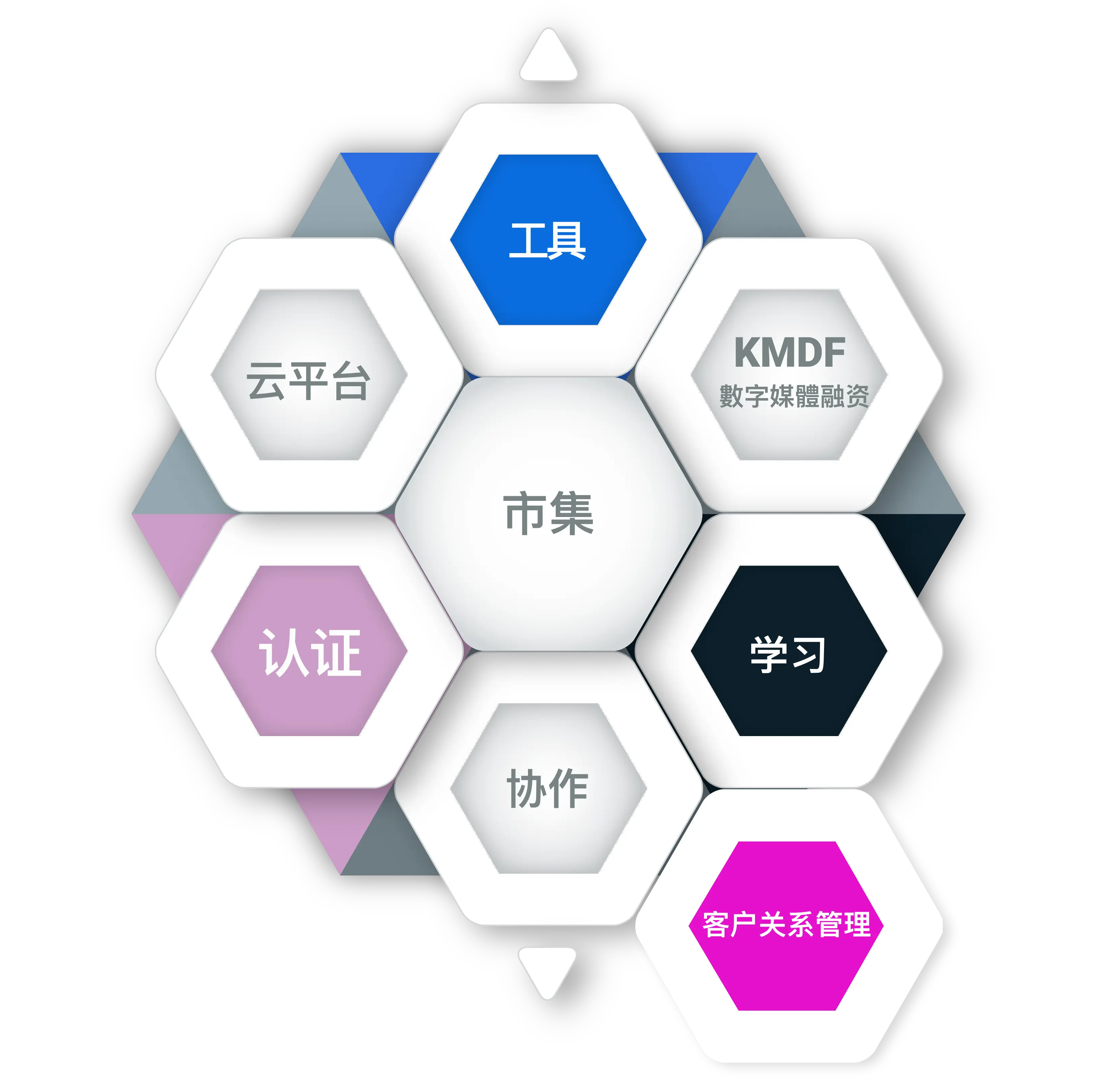
The proposed solution - Krystal FinTech Platform - is an integrated marketplace with low fees, compatibility with production tools, and simplified minting processes that unlocks digital business potential for the creative industry. As Industrial Partner of CEFAR Academy, we are designing a SaaS solution that integrates artist training, IP creation, NFT minting and trading into a single multi-media marketplace.

SaaS Solutions:Integrate artist training, IP creation, NFT minting and trading functions into a single multimedia trading platform.

Creative Digital Media AI Application Prototype Design

CUHK Centre for Perceptual and Interactive Intelligence

As Artificial Intelligence applications become pervasive and increasingly generalized, Krystal Institute and the Centre for Perceptive and Interactive Intelligence (CPII) seeks ways to further empower creatives in their design workflow through novel open-source AI tools.

In particular, while popular solutions such as ChatGPT and Midjourney enable generation of text and images, they are currently unable to fulfill animation and game studios’ needs to develop multi-dimensional assets with a cohesive storylines. For more general enterprises, we further seek ways to make robotic process automation (RPA) technologies more accessible, unlocking leaps in productivity growth.

RPA Technology:We explore ways to help enterprises make robotic process automation (RPA) technologies more accessible and easier to integrate into their workflows, thereby promoting further productivity growth.

Strategic Research on Enterprise Digital Transformation

PolyU Design

As Krystal Institute embarks on its mission to facilitate digital transformation from closed-source to open-source, our major value-add will be via maintenance, training, and technical development.

Working with the School of Design, we applied creative frameworks in tackling the business and design challenges that we foresee appearing in our future path. Our study explores the trends and impacts of global trade relations, the learning and development communities around open-source technologies, and synergistic opportunities from inspecting internal and external resources.

Develop Specialized MOOCs for Open Source Learning

HKU EEE

Krystal Institute and its affiliates are committed to open-source education. In support of this mission, we are in partnership with the Blender Foundation to promote Blender education in the Greater China region. Our flagship project is Blender Studio China, which offers over 10,000 hours of video training content on Blender functionalities and the video production workflow.

Students of the Department of Mechanical Engineering are designing a workflow management system to streamline the video translation and tagging process, which speeds up the delivery of new training content to the China market. Moreover, to optimize the learning experience, we are upgrading platform features to incorporate multi-language support, intellectual property control, and content accessibility.

Platform Upgrade:Optimize learning experience, incorporating elements such as multilingual support, intellectual property control, and content accessibility.